

Imagine a future where your town’s vehicles are silent, emission-free, and cost-effective. That’s the promise of electric vehicles (EVs). This guide will walk Massachusetts towns through transitioning their municipal fleets to EVs with clear, actionable steps. Let’s get started!
⚡ Quick Start Guide
Ready to lead your town into a cleaner future? Here’s how to begin:
- Set clear goals for your EV transition (e.g., replacing 20% of light-duty vehicles by 2030).
- Explore funding options like MassEVIP grants and utility incentives.
- Learn from towns like Acton and Cambridge that have already started making the switch.
- Plan for charging stations and maintenance needs.
- Train your staff in EV operations.
Need help? Contact Energy New England (ENE) for expert support with your EV transition plan.
1. Set Your EV Fleet Goals
Start by defining what success looks like:
- Set specific targets: Replace a percentage of your fleet with EVs by a target year (e.g., 50% by 2030).
- Align with climate goals: Tie your EV plan to your town’s sustainability or climate action plans.
- Prioritize vehicle types: Focus on light-duty vehicles first, then plan for medium- and heavy-duty as technology advances.
Why it matters: Clear goals keep your transition focused and measurable.
2. Policy & Procurement Strategies
Massachusetts offers tools to simplify buying EVs and chargers.
Explore Purchasing Options
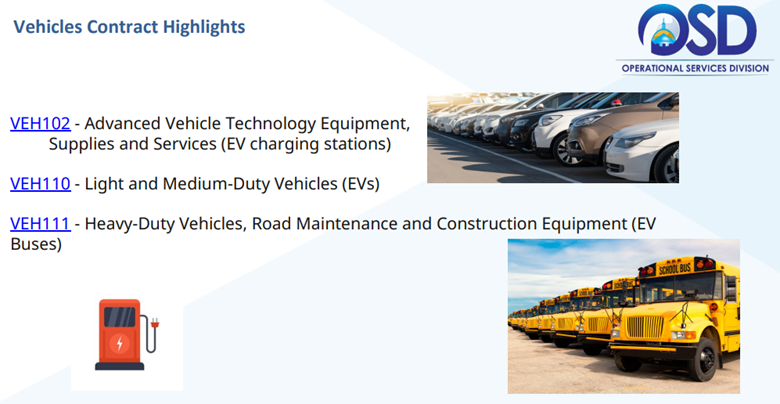
- Use COMMBUYS, the state’s procurement platform, for pre-approved EV vendors and chargers. It streamlines the process and ensures compliance.
Adopt a Phased Approach
- Phase 1: Replace light-duty vehicles (e.g., sedans, vans) with EVs now.
- Phase 2: Pilot medium- and heavy-duty EVs as more options emerge, especially post-2026 regulations.
Charging Infrastructure Options
- Own and operate: Install chargers for control (and potential revenue), but budget for upkeep.
- Partner with vendors: Let third parties handle installation and maintenance, often with revenue sharing.
Pro tip: Weigh costs, maintenance, and fleet usage to pick the best option.
3. Funding & Incentives
EVs have higher upfront costs, but Massachusetts offers plenty of support.
State and Utility Programs
- MassEVIP grants: Fund EVs and chargers through MassDEP.
- MOR-EV rebates: Get cash back on EV purchases.
- Green Communities grants: Support energy efficiency, including fleet electrification.
- Utility incentives: National Grid, Eversource, Unitil and Municipal Utilities may offer rebates and electrical upgrade help.
Innovative Funding
- Check the Massachusetts Clean Energy Center (MassCEC) for grants and pilot project support.
Private Grants
- Seek funding from foundations, automakers, or NGOs focused on clean transportation.
Stay updated: Programs evolve, so regularly check for new opportunities.
4. Learn from Leader Communities
See what’s working in other Massachusetts towns:
- Acton: Prioritizes electrification in its climate action plan promoting charger installations & incentives.
Takeaway: Adapt their strategies to fit your town’s needs.
5. Implementing Your EV Fleet Transition
Operations & Maintenance
- Save on maintenance: EVs have fewer parts, cutting repair costs over time.
- Charging upkeep: Monitor chargers for performance and uptime.
- Service partnerships: Team up with local providers or vendors for support.
Staff Training
- Training programs: Offer sessions for drivers, mechanics, and staff.
- Vendor support: Use free onboarding from EV suppliers.
- Communication: Share goals and timelines to build buy-in.
Comprehensive Plan
- Partner with experts: Work with Energy New England to tailor your plan.
- Key steps: Assess your fleet, calculate costs, and map charging needs.
Stay flexible: Update your plan as EV technologies and policies evolve.
6. Monitor & Adjust Your Plan
Track progress and adapt as needed:
- Key metrics: Count EVs, emissions cuts, and cost savings.
- Regular reviews: Tweak your plan based on new tech or funding.
- Public updates: Share wins to boost community support.
Why it matters: Flexibility ensures long-term success.
Next Steps
Act today:
- Contact ENE for expert consultation.
- Inventory your fleet to spot EV-ready vehicles.
- Apply for funding and connect with your utility.
- Schedule training and vendor meetings.
Electrifying your fleet isn’t just a technical transition—it’s a community leadership opportunity. Start now, plan smart, and build the future one electric mile at a time.
Fleet Assessment Checklist
Kickstart your transition with this checklist:
- Inventory vehicles: List type, age, mileage, and replacement timeline.
- Analyze duty cycles: Check ranges, idle times, and routes.
- Evaluate charging: Identify parking spots and charger types.
- Calculate Total Cost of Ownership (TCO): Compare EVs vs. gas vehicles, including incentives.
- Prioritize easy wins: Start with sedans or light trucks.
- Estimate charger needs: Plan number and power levels.
- Assess facilities: Check electrical capacity and upgrades.
- Gather staff input: Address concerns and usage patterns.
Switching to an electric fleet is more than a technical shift; it’s a chance to lead your community toward sustainability. Start small, plan smart, and watch your town thrive, one electric mile at a time.